
Lab Testing
Consumer products testing in laboratory in China is important aspect of the quality control process in managing your supply chain. It is inside our realm of expertise (product sourcing and quality control). This is why, since our founding, we have partnered with a handful of selected laboratories that share our vision of service: reliability, flexibility and competitive pricing.
Of course, our laboratories have the proper registrations and authorizations in the markets that we work in, so their testing and certification services and reports are globally respected.
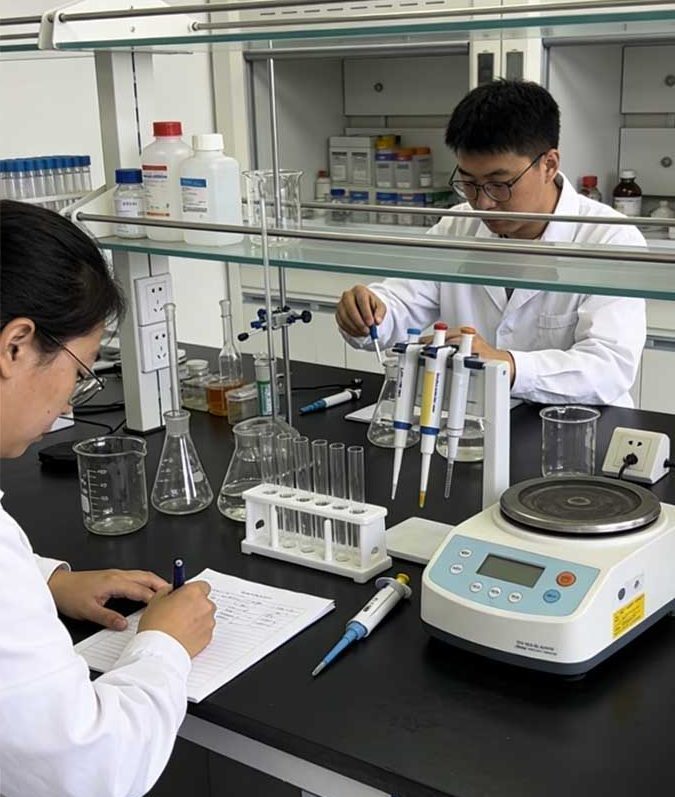
What is Our Goal
- Ensure your products meet your requirements.
- Ensure that pre-defined standards & requirements are properly established and followed.
- Ensure the products you put on the market comply with local regulations and standards.
- Avoid rejection of your products by customs & authorities in your country.
- Protect your image, users and clients by performing the proper safety tests.
How do I Book Consumer Products Laboratory Testing with Keen Sourcing?

Frequently Asked Questions (FAQs)
The choice of a good partner for lab testing support, because it is not just as simple as sending your sample to a lab and waiting for the result. But the real worth of that is to know who should test what, at what time, what kind of sample will be collected and then according to the results what action can be done. Keen Sourcing helps clients with the whole process so it makes lab tests better, easier and much more linked to how you source stuff and check its quality.
A big benefit of working with Keen Sourcing is that we know the bigger sourcing picture and not just the test. We know that the labs are related to who our suppliers are, sample approvals, productions checks, product tests, package reviews, shipper readies. Since we’re doing sourcing and quality control and quality inspection, it allows us to help our clients be using labs in a better way. Don’t treat it like some separate administrative thing – integrate it fully with everything else that is quality assurance.
And we help clarify things for customers who aren’t sure what tests they need. Importers many times understand they need “testing,” but it’s not clear what standards apply, which risks matter most, and if their supplier’s papers will hold up. Keen sourcing reviews products and gets to know the market well, making suggestions for practical testing. It could be saved, not spend it needlessly, and avoid having important requirements go unheeded.
Another thing is coordinating. There will surely be some communication gaps among buyers, factories,factory,inspectors, and labs when time is short. Help manage samples collection, suppliers’ follow-ups, testing setup, take corrective actions in case of issues. So it will be easier, and help clients feel more comfortable with their decision-making process.
More importantly, we are trying to protect your interest. We go into the labs with a practical, risk-based outlook to help buyers buy better so they can skip expensive surprises and stronger product before sending. Those that import goods would find that helpful in getting quality stuff, being certain about regulations compliance and managing the supply chain overall.
A bad lab test doesn’t have to mean a whole project has to be cancelled, just that we need to pay attention right now. The key thing is understanding fully why the product has failed; where did it go wrong; what do we have to correct before we can proceed with production or send out for delivery? At Keen Sourcing we assist our clients to see failure as another opportunity for solving problems not an endpoint. Often enough, an issue could be resolved adequately if discovered and dealt with at a sufficient time.
When a product fails we need to read through the test report first. All failures are not the same. Some are related to the chemical substances in the raw materials; some to labeling, packaging; and some again to problems concerning performance, endurance, design. For instance it could be a failed product due to a particular part being full of prohibited materials, perhaps the warning label isn’t finished, or maybe the item breaks when stressed and its no longer up to par. The kinds of failure are all different, so we shouldn’t come to any conclusions without looking at the report in its entirety.
After we know what caused the problem, then it is time to go talk to our supplier and make some corrections. Maybe another raw material, maybe a different part; maybe it’s made differently, assembled better, labeled more up-to-date, packaged differently. And sometimes the supplier has to supply some new material declarations or replacement samples for review: If corrections have been made then retests should be done to ensure that the problem is fixed.
The big win to discovering a failure before shipment is that it’s still contained. A failure before delivery isn’t great, but it’s far less so than failing once we’ve launched into the wild. And it will lead to rejections, complaints from customers, returns, compliance action or damage to your reputation. And that’s why labs tests are so good, because they find problems while there is still time to do something about them. Keen sourcing assists with the client here as they take these results in, negotiate supplier. Monitor correctives and resub’s that are needed. Our aim is to spot the problem and help the client sort it out before it grows into a bigger business threat.
Laboratory testing and product inspection have a connection, but they aren’t the same thing; you can’t do without each other. It matters to a lot of people that if something gets approved then they think everything will comply or be safe. Inspection and labs do different things in real life: The product inspection is mostly about things that are easily seen and touched in the factory. In the lab, it is about what needs to be scientifically tested. To have a complete quality assurance process many importers use both of them.
A product inspection usually takes place at the factory during production or before shipment. Inspection of products includes checking the appearance, craftsmanship, size, quantity, carton quality, packaging, labeling, barcode correctness, assortment, basic function and so on. Helps to ensure that the goods correspond with the approved sample and purchase. Inspection is quite good at finding visible flaws like missing parts, mismatched finish, bad packaging, shipping damage etc. It’s an on-site quality control gadget which can help buyer know if the product is available for shipment.
But in the lab it gets more involved: It’s used if the product has to go through chemical contents, physical safety items, regulation items, material structure and properties which can’t be seen by naked eye. Like an inspector seeing that a toy looks right and works well but not proving if the paint has limited stuff in it or if the materials are okay for kids. You can get a textile product through appearance test, however only laboratory tests can identify fiber makeup, color fastness or specific chemicals present.
At Keen sourcing, that’s how we generally put it; inspection let’s you know if the order was made right, but labs test will tell you if your product is good, okay and safe at much more technical levels. If you sell your product in regulated markets, market it to kids, use it with food, wear it on your skin, or buy from channels requiring compliance, using both services is usually best for you. It will save you from factory trouble It also keeps you away from those hidden technical and compliance issues. They will make up a far better and firmer quality control system for foreign goods.
When the laboratory test should be performed? It varies by product and by production schedule and how risky it is, but more often than not, sooner rather than later. One of the worst mistakes that importers often make is waiting for production to be completed and then thinking about compliance or testing. By then if it is a failure, it will be very costly and hard to handle. And materials will have to change, production will have to be redone, we won’t make our delivery dates and it all costs more really fast. That’s why it needs to be seen as a part of the planning, rather than the last thing you do.
During the early stage of sourcing we can test the goods with development sample, prototype sample or pre-production sample. This is to check if what I chose is right before going into full production. Early testing is especially helpful if a product uses new materials, is made for a different market than before, or needs special rules that a supplier might not know about. It’s so much simpler to catch that little compliance problem now than it will be after you’ve made a thousand units of them.
Can also be tested out on production if necessary: At this point, some samples can be taken to see if the factory is still using the approved material and follows the agreed production process. And it could be helpful to have a worry about substitution, inconsistent materials, or quality drifting from the approved samples when producing. Lastly, lab tests are done on the finished products before shipping. It gives another level of assurance that all the final goods meet requirement before they go out of factory.
At Keen Sourcing, we always suggest doing lab tests combined with inspections on correct manufacturing stages. For example, a customer will test production samples before ordering and inspect the goods prior to shipment to check on workmanship, quantity, packaging and labelling. So we form completely our quality management system. Timing is everything, in the sense that good lab testing isn’t just about getting a report; it’s about knowing when to use testing for prevention and to save time, so you can stay on schedule with better sourcing decisions from start to finish.
Keen Sourcing can also arrange various kinds of lab tests according to different types of products, raw material requirements and compliance or regulations as per the destination market required. Different stuff has different problems, so your test plans shouldn’t fit all situations perfectly. It’s our job to help our clients figure out what the most relevant tests will be, and make sure we coordinate things so the product is evaluated practically, appropriately and in line with what they’re trying to do.
Chemical Testing is a large one that checks if there are any restricted or harmful substances in your material, coating, ink, plastic, fabric, etc. It can be very important to test things like products that touch skin, products made for kids, and products that are sold in very careful places. Another large group is Physical/mechanical tests, where we’re making sure that our products could take everyday use, pressure, impact, pull force, wear or handling over and over. It can be very helpful with items like bags, furniture, toys, tools, accessories, household products.
And also we can setup for a performance test which is to see if it works. Like, maybe product durability, wash performance, color-fastness, coating adherence, no leakage, how it works over a long time kind of stuff. Electrical or electronic things, doing electrical safety test may assist for being sure that they work safely, be right insulation, follow some technology laws: Sometimes they’ll want material verification too, which lets you see if what you’re giving out lines up with their materials claims and tech specs and expectations.
The right testing program is dependent upon many factors such as Product Category, Intended Use, Target Customer, Retail Channel and Country of Import. Buyer some people just need simple test of basic risk point and others will want more comprehensive compliance testing on a larger retail program or marketplace. Keen Sourcing makes it easier to make decisions as they review the product details and suggest what can be tested. So it helps clients avoid the 2 worst mistakes: under testing (which is too risky) or over testing (which wastes money and time). Our goal is for lab tests to be clear, quick and have meaning for what you are buying.
Lab testing is when you take your sample products to an approved 3rd party lab to ensure that they pass the safety,chemical,physical and performance requirements. Lab Testing is a big step for Importers, Brand Owners, and Retailers in order to reduce risk prior to having goods shipped out or being sold. The appearance of a product may be fine when looking at it, however, this does not guarantee that the product contains restricted substances, uses appropriate material as per the specification, or functions safely throughout normal usage. And that’s when labs come in handy.
At Keen Sourcing, we take lab testing to be the risk control measure proper and not just a legal regulation. And it helps buyers know that what they’re buying is being made right and will be good for the local market as well as safe for people to use. It’s especially crucial for items like kid’s stuff, toys, clothes, things that touch food, electronic devices, packages, and all sorts of other stuff that people buy from stores. Depending upon the product, country of sale, or specific requirements of a customer, this could include checking the chemical makeup, flammability, heavy metals, phthalates, durability, labeling, etc., for safety.
Lab tests are important than just for regulations. And it protects your business from the expensive problems like customs delays, rejections, removals, customers getting mad at you, returns, recalls, and ruining your brand. In many cases, the cost of doing the test is smaller than the cost of dealing with a bad shipment when everything is done. For businesses buying stuff from overseas companies, lab testing gives proof the product meets what was agreed to. You don’t just take it from the supplier or factory, you get actual measurable results from a third party. This will give you more faith in the product, strengthen your quality assurance procedures, and help with better choices before things leave the factory. In other words, the lab tests are a safety net which helps importers to buy better and sell safer.